Nashville STR Property Management: Event Pricing
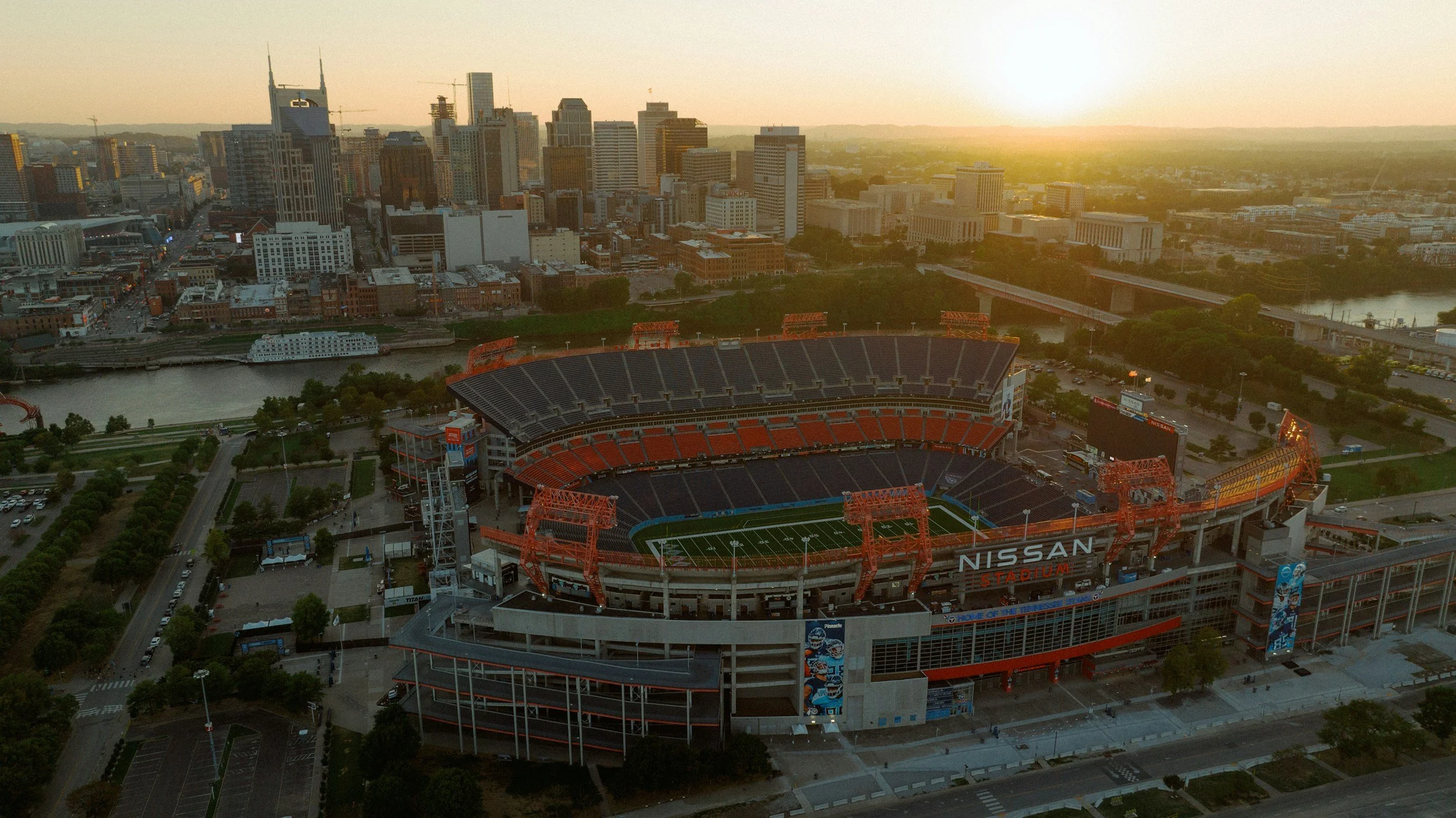
Nashville STR Property Management: How to Maximize Revenue During Titans Season and Major Concerts
This weekend, Nashville is going to tell you exactly how good your pricing strategy is.
Brooks & Dunn plays Bridgestone Arena Saturday, September 12 at 7:00 PM. The Titans host the Jets for the Week 1 home opener Sunday, September 13 at noon. The Nashville Fair opens September 11. Ryman and Ascend both have Saturday shows. That is five separate demand engines firing inside 48 hours.
Here's the uncomfortable part: most DIY hosts already sold that Saturday. Months ago. At a flat rate they set in the spring and never looked at again.
Serious Nashville STR property management isn't about charging more. It's about refusing to apply ordinary-weekend logic when the city is signaling extraordinary demand. Below is how event-aware pricing actually works, what it protects, and where static rates quietly bleed out a year's returns.
Why Static Pricing Is the Biggest Leak in Nashville STR Property Management
The worst kind of vacancy is obvious. The most expensive mistake looks like a five-star guest checking in.
A flat $300 Saturday books instantly. It feels like success. You get the notification, the calendar fills, the review is glowing — and you never learn what that night was actually worth.
Static pricing doesn't fail dramatically. It fails quietly, in four specific moments:
A concert weekend books cheap, five months early, before the lineup or the schedule is public
A game-day Sunday gets priced like an ordinary fall Sunday
A rigid two-night minimum breaks a valuable three-night stay
A high rate stays parked in place after demand fades, and the night goes empty instead of discounted
None of these show up on a dashboard as a loss. They show up as a slightly disappointing year.
September 12–13: Nashville's Demand-Collision Weekend
The mistake most owners make is treating these as two separate events. They're one booking pattern.
What's actually happening:
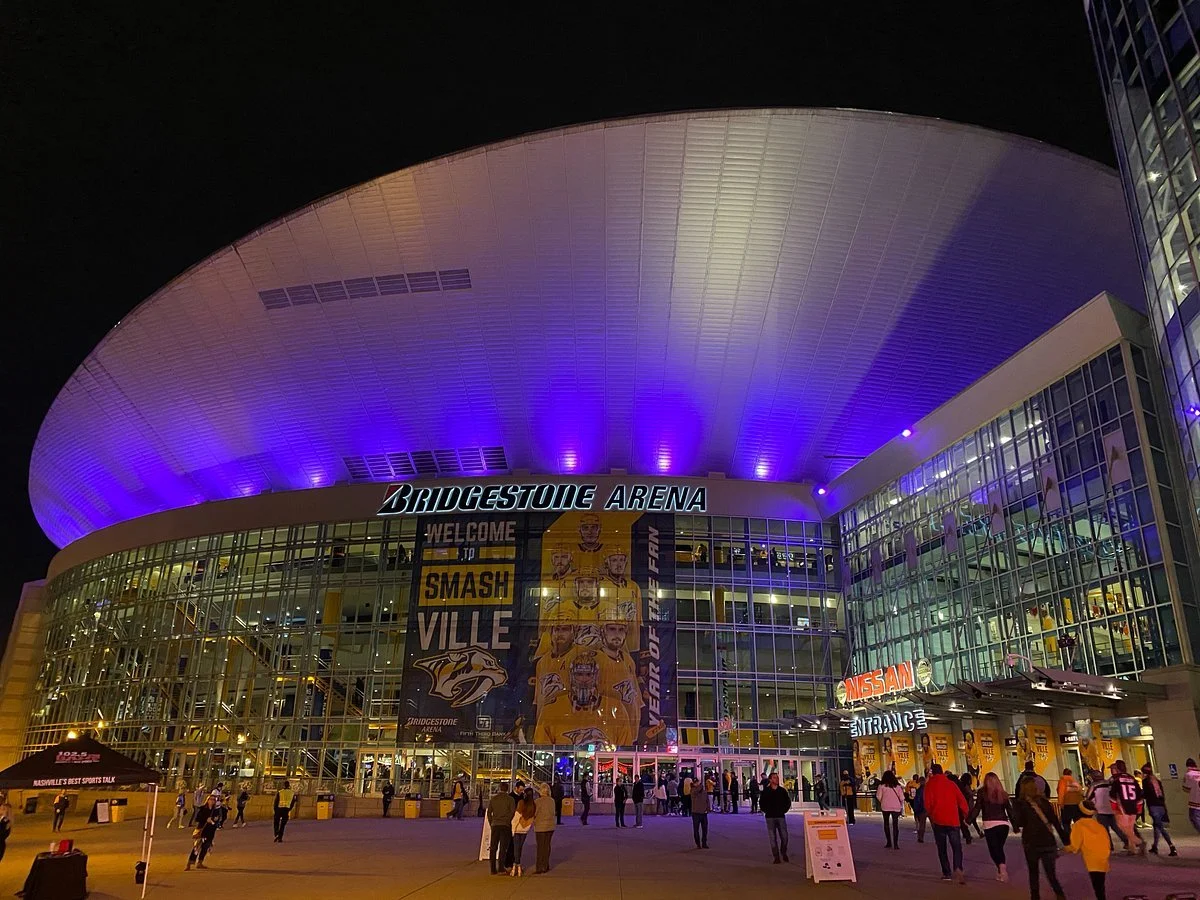
Brooks & Dunn — Bridgestone Arena, Saturday, September 12, 7:00 PM. Arena capacity is 20,000.
Tennessee Titans vs. New York Jets — Nissan Stadium, Sunday, September 13, noon CT kickoff. Week 1 home opener.
The Nashville Fair — September 11–20 at The Fairgrounds Nashville, opening weekend overlapping both
Juanes at the Ryman, Saturday, September 12, 8:00 PM
Bert Kreischer at Ascend Amphitheater, Saturday, September 12, 7:00 PM
Paul Cauthen at the Ryman, Friday, September 11, 8:00 PM
Why the collision matters more than any single event:
A Saturday arena show plus a Sunday noon kickoff doesn't produce two one-night stays. It produces a Friday–Sunday or Saturday–Monday pattern, and a meaningful number of guests who extend through Sunday night specifically to avoid a game-day departure.
That reshapes three decisions at once: your minimum-stay rules, your Sunday rate, and your Monday checkout assumption.
The Sunday trap: most owners' calendars treat Sunday as a low-value transition night. A noon NFL kickoff inverts that. Guests are arriving Saturday and staying Sunday, or arriving Friday and leaving Monday. Pricing Sunday like a normal Sunday is the single most common September error we see.
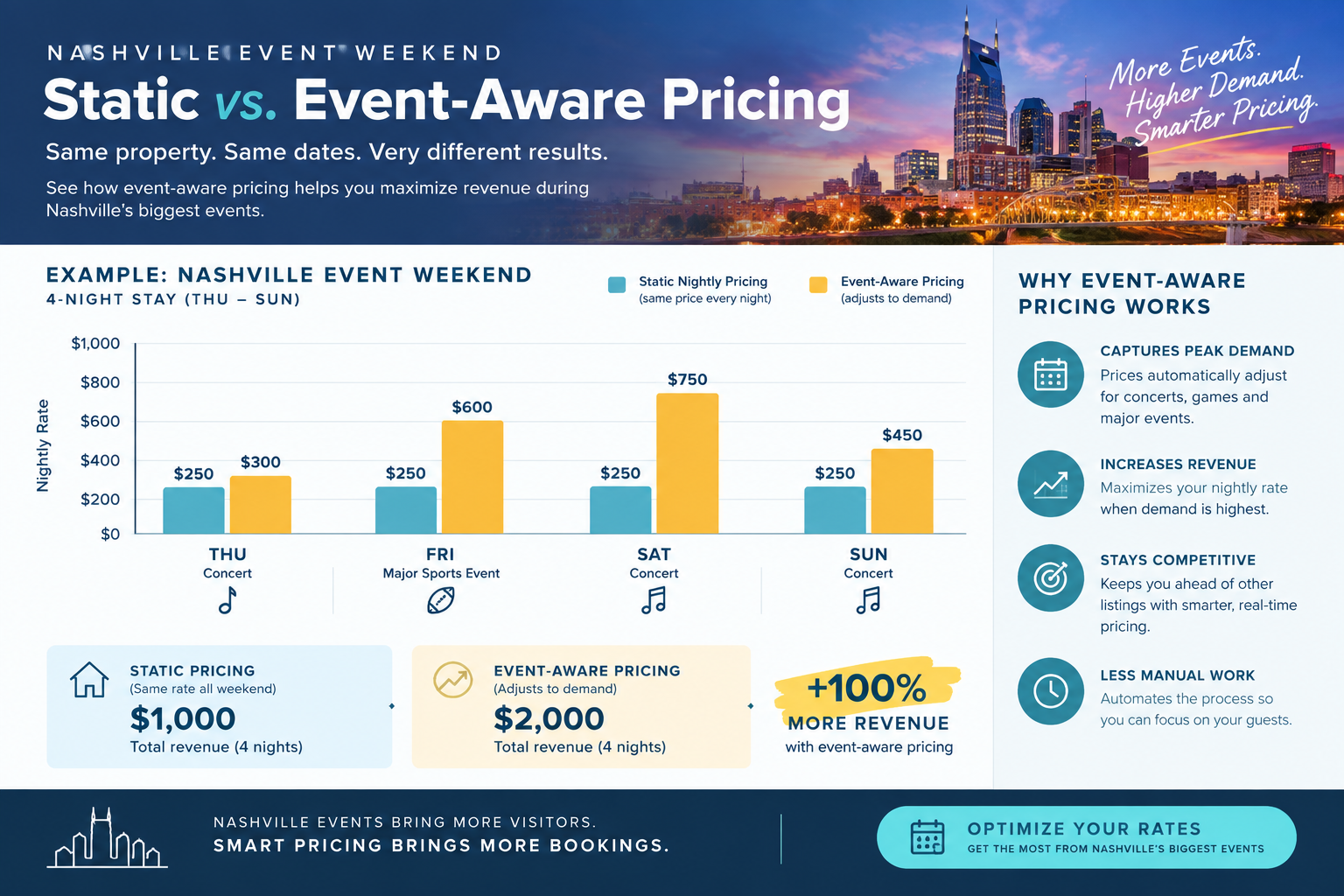
The Static Price Leak: One Illustrative Weekend
Here's the math, stated plainly. These figures are an illustrative operating scenario, not a forecast or a market average.
Static approach — one rate, all three nights:
Friday $300 + Saturday $300 + Sunday $300
Gross potential: $900
Event-aware approach — rate matched to each night's actual demand driver:
Friday $340 (Ryman show, fair opening, early arrivals)
Saturday $475 (Brooks & Dunn + Juanes + Ascend, peak compression)
Sunday $425 (Titans home opener, noon kickoff, extended stays)
Gross potential: $1,240
Illustrative difference: $340 on one weekend, before platform fees, taxes, cleaning, and operating costs.
Missing $340 once is annoying. Repeating that pattern across every NFL home game, major arena concert, festival, and holiday weekend is not a pricing problem — it's an underwriting problem.
And to be clear about the goal: this is not about charging more. It's about maximizing RevPAR — occupancy multiplied by average daily rate — while protecting conversion. A rate that scares off every booking is the same mistake in the opposite direction.
One Weekend, Three Properties, Three Different Strategies
This is where most pricing content falls apart. It treats Nashville as one market. It isn't.
Three homes within a short drive of the same events should not run the same rate, the same minimum stay, or the same last-minute rules.
The stadium-adjacent group home
Example: Game On! • 1 Mi to Nissan Stadium — 4BR / 6BA, sleeps 12, 4 minutes or a 25-minute walk to Nissan Stadium, with designated parking.
Guest segment: football groups, corporate outings, drive-market fans
Booking window: compresses hard once the NFL schedule drops, then again in the final two weeks
Length-of-stay play: protect a 2–3 night Saturday–Monday. Fighting for a Sunday-only booking on a noon-kickoff weekend leaves money behind.
The variable that matters most: parking. On a game weekend, designated spaces are worth real rate, and a listing that doesn't say so out loud is underpricing itself.
The SoBro walk-to-the-arena unit
Example: Sobro Penthouse — 2 King Suites | Pool — 2BR / 2BA, sleeps 6, roughly a 10-minute walk to Bridgestone Arena.
Guest segment: couples and pairs of couples, concert-first travelers, shorter stays
Booking window: later and more volatile — tied to ticket resale movement, not the annual calendar
Length-of-stay play: allow a strong one- or two-night Saturday. A rigid three-night minimum on a smaller unit kills the exact demand this property is built for.
The variable that matters most: walkability. "No car, no garage, no surge pricing" is the entire value proposition on a concert Saturday, and it should be priced like one.
The East Nashville group house
Example: Large Grand East Nash 4BR — Hot Tub — 4BR / 3.5BA, sleeps 12, 2-car garage plus driveway parking for roughly four vehicles.
Guest segment: larger groups splitting cost, families layering the fair, travelers who want space over proximity
Booking window: earliest of the three — groups plan further ahead because coordinating eight people takes time
Length-of-stay play: three nights minimum, aggressively protected. This property's economics live on longer stays, not peak nightly rate.
The variable that matters most: capacity math. At sleeps-12, per-person cost is the pitch, and the rate ceiling is set by what twelve people would otherwise pay for six hotel rooms — not by what a downtown one-bedroom charges.
Same weekend. Same city. Three completely different correct answers.
Dynamic Pricing vs. Set-It-and-Forget-It: The Honest Comparison
"I already have PriceLabs" is the most common objection we hear from DIY hosts. It deserves a real answer.
Static pricing: one rate, or a loosely seasonal calendar. Predictable, and predictably leaky.
Software-only pricing: automated market recommendations from a tool. Genuinely useful — and genuinely blind to anything it wasn't configured to see. Your pricing tool sees a Nashville data point. Your guest sees a specific home, in a specific neighborhood, for a specific reason.
Human-led revenue management: the software, plus the decisions the software can't make.
That second layer is the actual job:
Rate floors and ceilings set per property, not per market
Event monitoring ahead of the announcement cycle, not after it trends
Booking-pace checks against the same date last year and against remaining local inventory
Comparable-set review — actual competing listings, not a citywide average
Minimum-stay governance that flexes by event type instead of sitting static all year
Orphan-gap strategy for the one- and two-night holes that quietly cost a season
Last-minute release rules so a stale high rate doesn't turn into an empty night
Post-event review so the same weekend next year starts from evidence
Dynamic pricing isn't autopilot. It's a decision system, and someone has to be making the decisions.
The Metric That Matters: RevPAR, Not a Full Calendar
This is the part out-of-state investors most need to hear, and it's why we lead with sober numbers instead of best-case ones.
Nashville's current market reality, per AirDNA's 2026 reporting:
54% average occupancy across the year — not the 70–80% many investor pro formas assume
Roughly $180 annual RevPAR
Occupancy up about 0.9% year over year, while RevPAR is down about 10.0% across the May 2025–May 2026 comparison
13,898 active listings as of the cited June 2026 data point, with supply down about 1.9% year over year
Reported ADR varies meaningfully by data slice and listing cohort, so we won't quote a single number as gospel — but the directional story is unambiguous.
Read those figures together and the conclusion is uncomfortable: more bookings at lower effective rates still produced weaker revenue performance across this market.
A full calendar is not proof of optimized revenue. It may be proof that you underpriced the market before it had a chance to reveal its demand.
In a market where average performance is under pressure, revenue management stops being a premium feature. It's the difference between reacting to bookings and managing an asset.
Before Any Pricing Strategy Matters: The Permit Question
If you're buying in Nashville or evaluating a property you already own, this section outranks everything above it.
Metro Nashville requires an STRP permit before a property can be advertised or listed for stays under 30 days. Not before the first guest arrives — before it's listed at all.
New Type 2 (non-owner-occupied) permits are not issued in many residential zoning categories. Type 2 feasibility has to be verified against the specific parcel before acquisition, and certainly before projected STR income goes into an underwriting model.
We see out-of-state investors run this in the wrong order more than any other mistake: revenue projection first, zoning check second. It needs to be the reverse.
No pricing strategy can rescue an asset that cannot legally operate as the investment model you bought.
What Out-of-State Owners Should Track Every Week
If you're self-managing from another state, this is the minimum viable dashboard. Miss these and you'll find out about a sold-too-cheap weekend three weeks after it's unrecoverable.
The venue calendars — Nissan Stadium, Bridgestone Arena, the Ryman, Ascend, The Fairgrounds. Announcements move rates before they move headlines.
Booking pace vs. the same window last year — not just "how full am I," but "how fast did I get here, and at what rate"
Remaining local inventory on your target dates. Compression is a supply signal, not a vibe.
Your orphan gaps — every stranded one- and two-night hole, reviewed weekly
Lead-time patterns by segment — group travel books early, concert travel books late, and the same rate curve can't serve both
Hotel compression signals downtown, which tend to lead STR demand rather than follow it
Your own conversion rate — views-to-bookings tells you whether a rate is ambitious or simply wrong
That's a real weekly job. Which is the honest argument for management, and we'd rather make it plainly than pretend otherwise.
The Harley's Homes Advantage
Most Nashville management companies will tell you they do dynamic pricing. Here's what we actually do differently.
We own our cleaning company. Music City Spotless is ours, not a subcontractor. That's not a hospitality detail — it's a revenue one. Owned turnover means we can accept a same-day changeover on a Titans Sunday instead of blocking the night, and it means quality doesn't collapse on the weekends when quality matters most.
We price the property, not the market. Every home in our portfolio has its own rate floor, ceiling, minimum-stay logic, and event calendar. A stadium-adjacent 4BR and a SoBro one-bedroom do not share a strategy just because they share a zip code.
We monitor Nashville events before they're obvious. Venue announcements, schedule releases, ticket movement, festival calendars. The owner's real fear isn't lower revenue — it's being the last person to know a weekend was valuable. We close that gap.
We handle the compliance layer. STRP permit management, hotel tax handling, and the regulatory requirements that out-of-state owners either miss or spend their weekends untangling.
And our fee model is performance-based. Full-service Nashville management commonly runs 15–30% of gross rental revenue. We run 15–25%, with custom quotes by property — which means the right question isn't "what does management cost," it's "does the revenue, time, and risk reduction exceed the fee." We're happy to show you that math on your specific property. See how our owner solutions work.
Nashville is not a market where a good property prices itself anymore. With 54% average occupancy, nearly 14,000 active listings, and RevPAR under year-over-year pressure, the gap between adequate and excellent Nashville STR property management shows up entirely on high-demand weekends — the ones like September 12–13, where five demand engines fire at once and a flat rate quietly gives away the difference.
Static pricing isn't a small inefficiency. It's a repeated, compounding one, and it's invisible precisely because the calendar looks full.
If you're an out-of-state investor or a DIY host who hasn't looked at your event calendar since spring, the next Titans home game is the cheapest possible time to find out what you've been leaving behind.
Ready to maximize your property's ROI?
Get your free revenue estimate →
Or book a 15-minute call with our team →
We'll review your current rates, minimum stays, upcoming Nashville event dates, and comparable listings — and show you where the revenue risk actually sits. It's a property-specific review, not a generic rental projection.
Questions first? Reach us here or call (615) 913-7837.
[Related reading: The Ultimate Labor Day Weekend Nashville 2026 Guide | Browse our Nashville portfolio]
Data note: Market figures cited from AirDNA's 2026 Nashville reporting. Pricing scenarios in this article are illustrative operating examples, not forecasts, guarantees, or market averages. Individual property performance varies by location, permit status, capacity, amenities, and season.